Category: News

  • Influencers Gone Wild | .com Full Details Review That Its Safe?

    Influencers Gone Wild | .com Full Details Review That Its Safe?

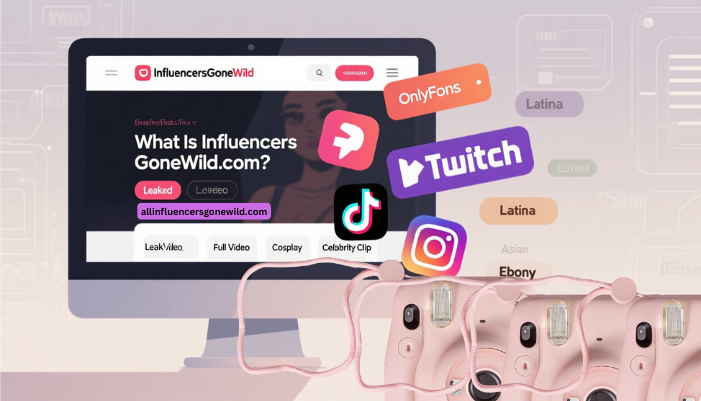
    InfluencersGoneWild.com is a site that claims to provide exclusive, often explicit, influencer content from platforms like OnlyFans, TikTok, Instagram, Fansly, Patreon, and Twitch. At first glance, it appears to be a hub for adult content that’s updated frequently — with new material posted hourly under various trending and searchable categories. But let’s take a deeper look. Because beyond the provocative thumbnails and catchy titles lies a web of legal, ethical, and security issues that demand your attention.

    What Is InfluencersGoneWild.com?

    The site markets itself as a massive collection of NSFW (Not Safe For Work) content involving popular social media influencers. You’ll find influencers sorted by:
    Influencers Gone Wild

    • Name (A–Z)
    • Platform (OnlyFans, TikTok, Twitch, etc.)
    • Content Type (Leaked nudes, full videos, cosplay, celebrity clips)
    • Tags (Latina, Asian, Ebony, etc.)

    It presents a streamlined and mobile-friendly layout, which may trick some users into thinking it’s legitimate or safe. But make no mistake — this is not a verified content hub.

    The Dark Side: Legal & Ethical Violations

    Let’s call it like it is:

    Much of the content is likely stolen.

    The phrase “leaked OnlyFans content” should raise immediate red flags. These creators work behind paid subscription walls, and redistributing their private content without consent is a direct violation of:
    Influencers Gone Wild

    • Copyright laws
    • Privacy laws
    • Terms of Service on platforms like OnlyFans and Fansly

    This makes InfluencersGoneWild not just unethical — but possibly illegal in many jurisdictions.

    Creators invest time, money, and emotional energy to build personal brands. When their work is stolen and redistributed without permission, it’s a violation of their trust, their safety, and their legal rights.

    Influencer Gone Wild: Viral Video, Reality Show, Online Fame

    Security Concerns for Visitors

    If you’re considering visiting this site out of curiosity, think twice.

    These types of adult content aggregator sites are notoriously dangerous. Here’s why:

    • High risk of malware: Clicking links, pop-ups, or fake “download” buttons can infect your device with spyware or ransomware.
    • Data tracking: Some of these sites track your behavior or harvest personal data without clear consent.
    • Fake ads & redirects: Many users report being redirected to scam pages or sketchy downloads.

    Even seasoned internet users can fall into these traps if they’re not careful.

    User Experience & Site Structure

    On a surface level, InfluencersGoneWild.com is:

    • Visually clean and well-organized
    • Mobile-responsive
    • Categorized for easy browsing

    But don’t be fooled by a polished UI — the design serves only to lure users deeper into an unethical and potentially harmful experience.

    Final Verdict: Should You Trust or Use This Site?

    Absolutely not.

    Here’s why:

    Risk Area Verdict
    Legal ❌ Very likely violating copyright and privacy laws.
    Ethical ❌ Promotes stolen content and exploitation.
    Security ❌ Potential malware, trackers, phishing risks.
    Content Value 🚫 No original or consensual content is guaranteed.

    A Message to Creators & Consumers

    If you’re a creator: Be aware that platforms like this may be exploiting your content without permission. Protect your brand, file DMCA takedowns, and raise awareness about stolen content.

    If you’re a viewer: Understand that by visiting and engaging with sites like these, you may be unknowingly contributing to the violation of real people’s rights, livelihoods, and mental health.

    The Bottom Line

    InfluencersGoneWild.com is not just another adult site — it’s a red flag.
    Behind every leaked photo is a person who likely never consented to have it shared this way. In a digital age where consent, copyright, and online safety are more important than ever, we need to hold ourselves and each other to a higher standard. There are legitimate, ethical, and safe ways to access adult content — this is not one of them.

    FAQs About InfluencersGoneWild.com

    1. Is InfluencersGoneWild.com legal?

    No. The site likely hosts stolen content from subscription platforms like OnlyFans and Fansly. Sharing private content without consent breaks copyright and privacy laws.

    2. Can visiting InfluencersGoneWild.com harm my device?

    Yes. Many users report malware, fake ads, and scams. Clicking the wrong link can lead to spyware or phishing attempts.

    3. What should I do if my content appears on this site?

    File a DMCA takedown request immediately. You can also report the site to your platform (like OnlyFans) and seek legal help to protect your rights.
  • What are five marketing strategies that retailers spend half of their annual budget on?

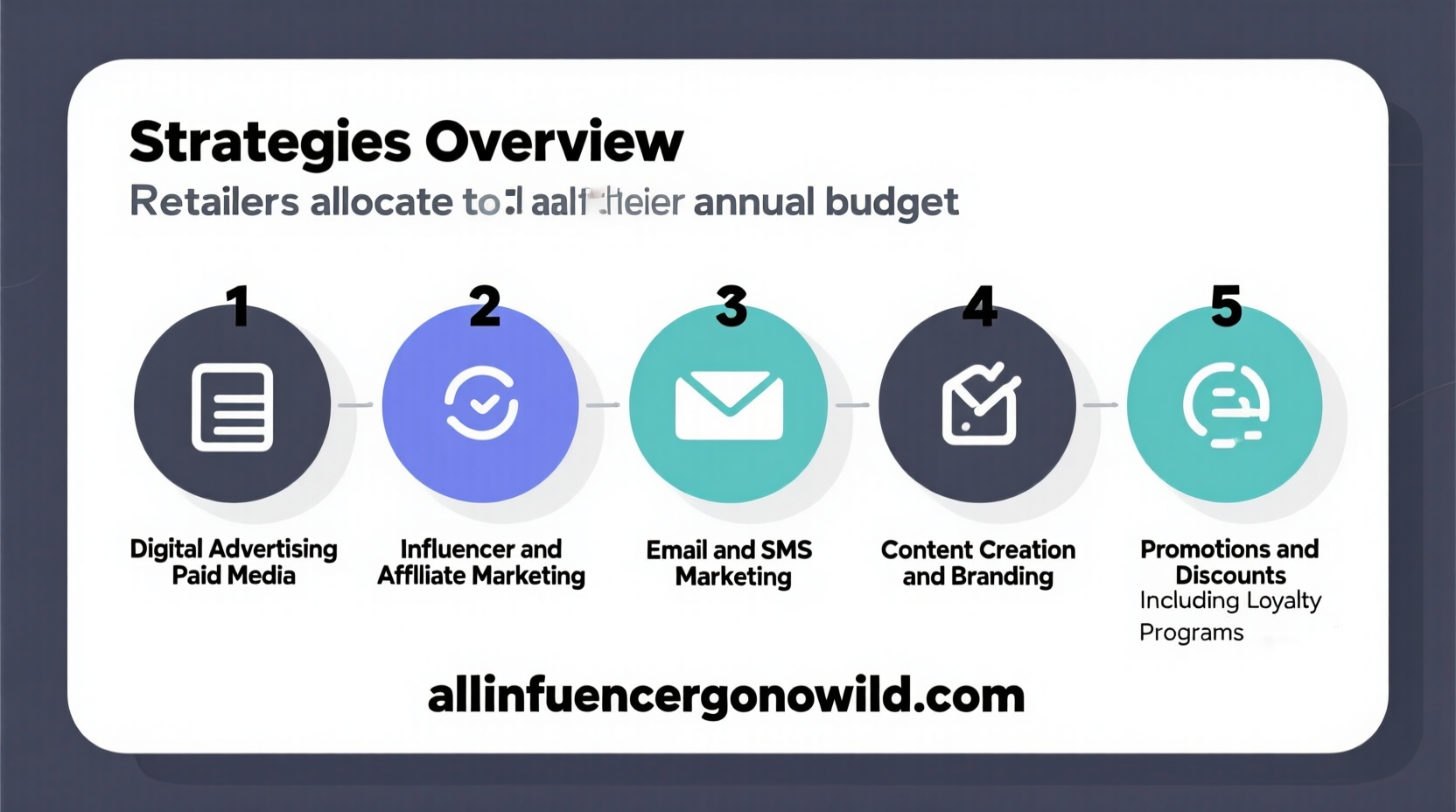
    What are five marketing strategies that retailers spend half of their annual budget on?

    1. Digital Advertising (Paid Media)

    • Budget Share: Often 20–30%
    • What it includes:
      • Paid search (Google Ads)
      • Paid social (Meta, TikTok, YouTube)
      • Display and programmatic advertising
      • Retargeting campaigns
    • Why: High measurability and scalability. Retailers use this to drive traffic, promote products, and retarget users who didn’t convert.

    2. Influencer and Affiliate Marketing

    • Budget Share: 10–15%
    • What it includes:
      • Payments to influencers for product placement or reviews
      • Affiliate commission payouts
      • Influencer platforms and agencies
    • Why: Influencers drive trust and engagement, especially in fashion, beauty, and lifestyle. Performance-based affiliate marketing is also cost-effective.

    3. Email and SMS Marketing

    • Budget Share: 5–10%
    • What it includes:
      • Email platform subscriptions (Klaviyo, Mailchimp, etc.)
      • SMS marketing platforms (Postscript, Attentive)
      • Design, automation, and copywriting services
    • Why: High ROI for retention and customer lifetime value. It’s direct, personal, and cost-effective once the list is built.

    4. Content Creation and Branding

    • Budget Share: 5–10%
    • What it includes:
      • Product photography and video
      • Social media content
      • Website content (blogs, landing pages)
      • Creative agencies or in-house teams
    • Why: High-quality content builds brand identity and supports every other marketing channel (ads, email, SEO, etc.).

    5. Promotions and Discounts (Including Loyalty Programs)

    • Budget Share: 10–15%
    • What it includes:
      • Cost of running sales and promotions
      • Loyalty and rewards programs
      • Promotional materials and tech platforms
    • Why: These directly drive conversions, increase repeat purchases, and can be integrated into seasonal campaigns.

    Summary Table:

    Strategy Typical Budget Share
    Digital Advertising 20–30%
    Influencer/Affiliate 10–15%
    Email/SMS Marketing 5–10%
    Content & Branding 5–10%
    Promotions & Loyalty 10–15%

    Together, these often make up 50% or more of a retailer’s annual marketing spend, depending on their size, industry, and digital maturity.

  • Influencers GoneWild: The Dark Side of Social Media Fame

    Influencers GoneWild: The Dark Side of Social Media Fame

    What Are Social Media Influencers?

    Social media has changed how people become famous. Today, anyone with a phone and an internet connection can share videos or pictures and become a star. Platforms like TikTok, Instagram, YouTube, and Twitter help people grow large audiences. These people are called influencers because they can change what others think, feel, or buy.

    Influencers often post fun or exciting content. They can earn money from brand deals, ads, and fans. For many, this seems like a dream job. But being an influencer isn’t always fun. Some people go too far trying to stay popular online. They make dangerous choices, break the law, or hurt others just to get more views. This is where we see Influencers Gonewild.

    influencers gonewild

    Why Do Influencers Go Too Far?

    Influencers want to stay popular. To do that, they need to post content that people want to see. The more clicks, comments, and shares they get, the more money they can make.

    But this can cause problems. Some influencers think that being wild, rude, or shocking will help them go viral. They do this to get attention. Over time, they may feel like they need to top their last video—even if it means doing something wrong.

    influencers gonewild

    Types of Influencers Gone Wild

    Here are the most common ways influencers go too far:

    1. Dangerous Pranks and Risky Stunts

    Some influencers do scary or illegal things to go viral.

    Examples:

    • A YouTuber faked a bank robbery. It caused panic, and police arrested him.
    • The “Benadryl Challenge” on TikTok led to kids taking too much medicine. Some were hospitalized, and some died.
    • People film dangerous car tricks or rooftop stunts. Many end up hurt or arrested.

    2. Scams and Fake Promotions

    Some influencers lie to their followers to make money.

    Examples:

    • Crypto scams: They promote fake coins or NFTs. After people invest, the influencer sells their shares and disappears.
    • Fake giveaways: They promise prizes like cars or money but never give them out.
    • Bad products: Some sell cheap items for high prices and lie about how good they are.

    3. Online Fights and Emotional Breakdowns

    Some influencers can’t handle hate or pressure. They respond badly and make things worse.

    Examples:

    • A beauty influencer lost millions of followers after fighting with a friend online.
    • Some go live while angry and yell at their fans.
    • A few even sue people who post mean comments about them.

    4. Using Personal Drama for Views

    Influencers sometimes fake personal problems to get attention.

    Examples:

    • They pretend to break up with a partner for views.
    • They share private texts or secrets to make someone else look bad.
    • Family vloggers have been accused of forcing their kids to cry on camera for content.

    5. Disrespecting Cultures and People

    Some influencers hurt others by making fun of cultures, religions, or serious issues.

    Examples:

    • Old racist or offensive videos come back and cause them to lose fans.
    • Wearing sacred clothes or symbols just for style upsets many people.
    • Videos using homelessness, disability, or race as “social experiments” are offensive.

    6. Fake Charity and Disaster Clickbait

    Some influencers pretend to do good—but only for views.

    Examples:

    • They film themselves giving to the homeless—then take it back once the camera is off.
    • They fake being at disaster sites to get more views.
    • They raise money for charity but keep it for themselves.

    How Social Media Makes This Worse

    Social media apps use algorithms to decide what videos and posts show up first. These systems often show content that is shocking, sad, or angry—because people are more likely to click or comment.

    This means influencers who post drama or dangerous things often get more views and more fame.

    The Biggest Social Media Scandals 2025 … – Influencers GoneWild

    What Happens When Influencers Go Too Far?

    Going viral for the wrong reason can ruin an influencer’s career. Here’s how:

    1. Losing Brand Deals

    Companies don’t want to be linked with bad behavior. Influencers who act badly often lose sponsors.

    2. Legal Trouble

    Breaking the law online is still breaking the law in real life.

    Examples:

    • Trespassing or filming illegal stunts.
    • Promoting fake investments.
    • Lying in ads.

    3. Getting Banned

    YouTube, TikTok, and Instagram can ban users who break the rules. If banned, influencers may lose everything.

    4. Public Backlash (Cancel Culture)

    Fans can turn fast. One bad video can lead to:

    • Unfollowing
    • Angry comments
    • News coverage
    • Boycotts

    5. Mental Health Problems

    Some influencers feel overwhelmed. Many face anxiety, depression, or burnout from pressure and online hate.

    Tricky Influencer-Brand Relationships

    Brands sometimes ask influencers to promote products. But this can be a problem if:

    • Influencers lie about how good something is.
    • They hide that the post is an ad.
    • They use fake urgency (“Only 10 left!”) to trick people into buying.

    At the same time, brands may drop influencers quickly if there’s a scandal—even if they helped cause the problem.

    How This Affects Young Audiences

    Many fans of influencers are teens or younger. This makes things more serious.

    Problems for Young Viewers:

    • Unrealistic Looks: Filters and surgery create fake beauty standards.
    • Pressure to Spend: Influencers show off clothes, gadgets, and trips, making fans want to buy things they don’t need.
    • Dangerous Challenges: Young people may try unsafe stunts to copy influencers.

    Teachers and parents worry about how influencer culture shapes kids’ values.

    Can Influencers Bounce Back?

    Yes—but only sometimes.

    Influencers can recover if they:

    • Say sorry and mean it
    • Stop bad behavior
    • Work to earn back trust

    Some take time off. Others change their content to be more helpful or kind. Not all come back, but some do.

    How Can We Make Influencing Better?

    The internet is changing. People want more honest, kind, and real content. Here’s how we can help:

    What Platforms Can Do:

    • Make stronger rules.
    • Stop showing harmful content.
    • Ban users who cheat or scam.

    What Governments Can Do:

    • Pass laws about clear ads and scams.
    • Fine people who lie to followers.

    What We Can Do as Viewers:

    • Think before we click or share.
    • Don’t fall for fake giveaways or ads.
    • Follow people who do good, not just what’s popular.

    Conclusion

    Being an influencer can be fun and powerful. But it also comes with responsibility. When influencers act badly, it can hurt their fans, their careers, and their futures.

    The ones who last are the ones who:

    • Stay true to themselves
    • Don’t lie or cheat
    • Use their voice to help, not hurt

    FAQs

    Q: Why do influencers act badly online?
    A: To get attention. More drama usually means more views and money.

    Q: What happens if an influencer gets canceled?
    A: They may lose followers, sponsors, and even their job. Some try to fix it with an apology or new content.

    Q: Can influencers get in trouble for promoting scams?
    A: Yes. They can be sued, fined, or even go to jail if they knowingly promote fake products or investments.

    Q: How can I tell if an influencer is scamming?
    A: Be careful with giveaways, fast money promises, or expensive products. Always do your own research before buying anything.

    Q: What’s a better way to support influencers?
    A: Follow those who are honest, helpful, and kind. Don’t share drama just because it’s exciting.

  • Influencer Gone Wild: Viral Video, Reality Show, Online Fame

    Influencer Gone Wild: Viral Video, Reality Show, Online Fame

    Influencer Gone Wild – Easy to Understand. An influencer is a person who has many followers on social media. They share videos, pictures, or posts that many people watch. Sometimes, influencers do things that surprise everyone. When they act crazy or strange, people say the influencer has gone wild. This can mean doing silly stunts, saying shocking things, or having a meltdown on a live video. Many influencers do this to get more likes and followers. Other times, they show real feelings or lose control because of stress. These moments can be funny, strange, or sad. Once shared online, these videos or posts stay there forever. This article talks about why influencers go wild, what happens after, and how people react. Being famous online can be hard, and sometimes it leads to wild and unexpected moments.

    1. Viral Scandals or Meltdowns

    One big reason influencers are called “gone wild” is because of viral scandals or meltdowns. These moments spread fast on social media and news. For example, in 2020, rapper Soulja Boy acted strange during a Twitch live stream. Many people were shocked and shared the video with the phrase “influencer gone wild.” Another example is Logan Paul’s video in Japan’s Aokigahara Forest. He showed a dead body, which made many people upset. Logan had to apologize many times. Jake Paul, his brother, also caused trouble with wild parties at the “Team 10” house. Neighbors called the police, and the news talked about the chaos. These stories show how fame can sometimes lead to big problems. One bad moment can hurt an influencer’s image, and the internet remembers it for a long time.

    influencer gone wild
    Viral Scandals or Meltdowns

    2. Reality TV or Docuseries Ideas

    There is no official show named Influencer Gone Wild, but many TV shows and documentaries show similar stories. Netflix made a show in 2023 called The Influencer, where influencers compete in challenges. Some episodes show them getting upset or acting wild because of the pressure. Shows like 90 Day Fiancé and Pretty Little Liars: Influencers include social media stars who have wild moments. On YouTube and TikTok, many mini-documentaries explore the life of influencers, including kids who are famous online. These shows show how hard it can be to live with fame. Sometimes the pressure causes breakdowns or wild behavior. Even if the shows are staged, they help us see the real problems and fun sides of being famous on social media.

    Influencer Gone Wild
    Reality TV or Docuseries Ideas

    Read More: Influencers Gone Wild: Shocking Scandals The Internet

    3. Clickbait or Funny Content

    Many people use “Influencer Gone Wild” as a catchy title to get views. You might see videos or podcasts with names like “Influencer Gone Wild at Music Festival!” or “TikTok Star Goes Wild After Losing a Brand Deal!” These titles make people curious, but the videos are not always serious. Some are jokes or parodies that make fun of influencer culture. Others exaggerate small events to get more attention. This kind of content blurs the line between real drama and fun entertainment. It keeps people watching and sharing but can also cause confusion. While some viewers enjoy the fun, others think this spreads too much gossip. Still, these “gone wild” stories are popular and get lots of clicks online.

    Influencer Gone Wild
    Clickbait or Funny Content

    4. A Meme or Internet Joke

    Sometimes, “Influencer Gone Wild” is just a funny meme or joke. Fans use it when an influencer does something silly or surprising but not serious. For example, if someone posts a new tattoo without warning, fans might say, “Influencer gone wild!” It can also happen if an influencer drinks too much on a live video or forgets their lines during a brand promotion. People say it to laugh at these moments, not to be mean. It shows how fans enjoy watching influencers be real and imperfect. This phrase has become a popular way to point out funny or wild moments online.

    Influencer Gone Wild
    A Meme or Internet Joke

    5. A New Show or Trend?

    If you see “Influencer Gone Wild” in new videos or posts, it might be a new trend. There could be a documentary or reality show coming that focuses on influencer drama. Podcasts also use this phrase to talk about wild stories from social media stars. On TikTok, some influencers pretend to “go wild” after being too serious for a long time. They make funny videos showing fake breakdowns or wild parties. These trends show how influencers and fans share laughs about the hard parts of fame. The phrase keeps changing and might become a popular new show or meme soon.

    Influencer Gone Wild
    A New Show or Trend?

    Want to Know About a Specific Case?

    If you see “Influencer Gone Wild” in a headline or post and want to know more, just tell me! Share the influencer’s name, the platform, or any other details you have. This phrase is used a lot, so knowing more helps find the right story. I can explain what really happened, if it’s true or just a joke, and why it became popular. That way, you get the full picture and don’t miss anything important.

    Conclusion

    “Influencer Gone Wild” means many things. Sometimes it’s a serious problem. Sometimes it’s just a funny joke. It shows how being famous online can be hard and full of surprises. Influencers may act wild because they want more attention or feel stressed. These moments get many views and can make or break their fame. Whether it’s on TV, social media, or memes, the phrase tells us about the ups and downs of internet fame. Behind every video or post is a real person trying to handle their life. “Influencer Gone Wild” reminds us to think about both the fun and the hard parts of being famous online.

    FAQs About Influencer Gone Wild?

    1. What does “Influencer Gone Wild” mean?
    It means when an influencer acts in a surprising or wild way that gets a lot of attention.

    2. Are these stories real?
    Some are real events, while others are jokes or made-up for fun.

    3. Why do influencers “go wild”?
    They might do it to get more followers, or because fame can be stressful.

    4. Is there a TV show called “Influencer Gone Wild”?
    No, but many shows and videos cover similar drama about influencers.

    Disclaimer:

    The content in this blog is for informational and entertainment purposes only. All examples of influencer behavior, scandals, or viral moments referenced are based on publicly available information at the time of writing. We do not intend to defame, harm, or misrepresent any individual or brand. Opinions expressed are those of the author and do not reflect the views of any platforms or companies mentioned. Readers are encouraged to verify information and form their own opinions.

  • Influencers Gone Wild: Shocking Scandals The Internet

    Influencers Gone Wild: Shocking Scandals The Internet

    In today’s world, influencers are like new celebrities. They seem glamorous and easy to relate to. With just one viral video or photo, they can become famous worldwide. But as more people try to become influencers, some get attention for the wrong reasons. This is called the “Influencers Gone Wild” trend. It means influencers act in wild or crazy ways that upset people or cause problems. At first, this phrase was a joke on social media. But now, it describes real stories in the news and online where influencers do risky stunts, say or do things that are offensive, or even break laws. For example, some influencers have live-streamed in dangerous places just to get more views. Others have faced backlash for being disrespectful to cultures or communities. When these things happen, the results can be serious. Some businesses have shut down after bad publicity caused by influencers. Some influencers have even been arrested. Many brands quickly stop working with them to protect their own image. This blog will look at some of the most shocking examples of influencers going too far. We will also explore why influencer culture often leads to trouble and ask a big question: What happens when the fight for online fame goes too far? “Influencers Gone Wild” is more than just a catchy phrase. It shows how chasing likes and followers can lead to trouble. Social media and its rules sometimes push people to act without thinking about the consequences. As viewers and fans, we are part of this world too. We shape what is popular and what is ignored. So get ready. This blog will take you into a world where getting attention online can come with a cost, where filters cannot hide the truth, and where some influencers do not know when it is time to stop.

    A general trend

    The trend of “influencers gone wild” reflects a growing pattern of social media personalities engaging in outrageous, unethical, or dangerous behavior to capture attention and stay relevant. Fueled by algorithms that reward shock value, the pressure to maintain visibility and income often pushes influencers toward risky stunts, insensitive content, or misleading promotions. From disrespecting cultural sites to promoting scams or engaging in harmful viral challenges, many creators chase engagement at the cost of public trust, safety, and even legality. Scandals involving grooming, misinformation, or privacy violations have triggered significant backlash, follower loss, and brand pullouts. While the influencer economy continues to expand, this trend highlights the need for greater accountability, ethical standards, and consumer awareness in digital spaces.

    Read More: Influencers GoneWild: The Biggest Social Media Scandals 2025

    A specific event or incident

    In a recent high-profile scandal, Instagram influencer Beverly Yvonne Slaughter was arrested on July 29, 2025, in Fort Lauderdale, Florida, after evading authorities for nearly three months. She had allegedly caused a fatal car crash on April 29 by running a red light in a luxury Mercedes, seriously injuring four people and causing the death of an unborn child.

    influencers gone wild

    Slaughter fled the scene on foot and was later found hiding near a fast-food restaurant. Now facing 14 felony charges—including vehicular homicide, fleeing the scene of a deadly crash, and driving with a suspended license—her case has ignited widespread public outrage. Once a rising figure on social media, Slaughter has been condemned for her apparent disregard for the law and human life. Brands and followers have quickly distanced themselves, and her glamorous influencer persona has unraveled under the weight of real-world consequences. The scandal highlights the darker side of influencer culture, where the pursuit of fame, luxury, and attention can blur the lines of responsibility. It also raises broader questions about accountability, as many argue that public figures should be held to higher standards—especially when their actions have life-or-death consequences.

    A satirical or entertainment concept

    “Influencers Gone Wild” has become a satirical concept and meme format that humorously exaggerates the most absurd, tone-deaf, or overly dramatic behaviors seen in influencer culture. From parody videos showing influencers live-streaming personal breakdowns with ring lights to memes mocking fake apology videos and cringe-worthy product placements during serious moments, this trend has turned online fame into comedy gold. Content creators on platforms like TikTok and YouTube often play fictional influencers who vlog in ridiculous settings—like filming a skincare routine during a natural disaster or rebranding as a life coach after being “canceled.” These spoofs work because they’re rooted in reality; influencer culture often blurs the line between authenticity and performance. By turning this behavior into satire, the “Influencers Gone Wild” meme allows audiences—especially Gen Z—to critique the absurdity and commercialism of online fame through humor. It’s not just mockery; it’s commentary wrapped in comedy, offering both entertainment and a sharp lens on the performative nature of digital personas.

    influencers gone wild

    A news article or content series

    In the evolving media landscape, “Influencers Gone Wild” has become more than a meme—it now titles real episodes of influencer-led chaos, feuds, and public crossfires. One recent flashpoint involved a micro-influencer named Karla, whose TikTok post detailing a sour collaboration with San Francisco’s Kis Café went viral, triggering public shaming that ultimately led to the cafe’s permanent closure—her follower count skyrocketed from 15,000 to nearly 400,000 almost overnight, illustrating how digital outrage can both empower and destroy in equal measure.

    influencers gone wild

    Australian podcaster Veronica B publicly called for recognition of influencers as creative professionals, even proposing an influencer union—her remarks sparked heated debate about professional legitimacy and mental health, highlighting how the wild side of platforms sometimes stems not from spectacle but from burnout and identity politics. News.com.au In another dramatic case, two young Russian influencers were arrested after filming a TikTok dance in front of a burning oil depot in Sochi—caught in the aftermath of a Ukrainian drone strike—they were accused of glamorizing a wartime event and placed under investigation by Russian authorities, prompting serious questions about the boundaries of content in conflict zones. The Sun On a different note, influencer Babydoll Archi’s rapid rise to fame via a seemingly spontaneous Instagram reel spurred debates over authenticity and AI-generated personas—her story underscores how “Going Wild” isn’t always about misbehavior, but can also reflect how fascination with digital fame can blur fact and fiction.  Collectively, these stories show how the phrase “Influencers Gone Wild” could represent a real content series or news vertical—where scandals from bad brand deals to glamorizing destruction, or existential questions about platform labor, all converge under the banner of unpredictable influence gone rogue. Each incident reveals both the potential for lightning-fast fame and the risks when lines of ethics, respect, or truth are crossed, painting a portrait of the modern creator economy in its most chaotic form.

    Why Influencers Avoid This Trend

    Influencers often try to avoid being part of the “Influencers Gone Wild” trend because it can seriously damage their careers, reputations, and personal lives. One major reason is brand safety—companies do not want to work with creators who are seen as reckless, offensive, or controversial. A single bad moment, like a rude comment or a risky stunt, can cause brands to cancel deals and partnerships. Another reason is audience trust. Followers expect influencers to be real, respectful, and responsible. When that trust is broken, fans unfollow quickly, and it can be hard to rebuild. Influencers also want to avoid legal trouble, as some wild actions—like trespassing, spreading false health claims, or causing public disturbances—can lead to lawsuits, arrests, or fines. Even outside of legal or business risks, influencers face mental health struggles from backlash and “cancel culture,” especially when a mistake goes viral. Many creators now try to stay mindful of what they post, fact-check their content, and avoid drama. In a world where everything is recorded and shared, being careful is not just smart—it’s necessary. For most influencers, staying away from the “gone wild” label is the key to building a long, successful, and respected online presence.

    Conclusion

    The world of influencers can be exciting and fun, but it also has a darker side. When people chase fame too hard, they sometimes forget about what is right and wrong. The stories of “Influencers Gone Wild” show us what can happen when online attention becomes more important than real-life values. From dangerous stunts to hurtful comments, these actions do more than just shock people—they can hurt others, ruin careers, and even lead to legal trouble.

  • Influencers GoneWild: The Biggest Social Media Scandals 2025

    Influencers GoneWild: The Biggest Social Media Scandals 2025

    In 2025, influencers are like today’s celebrities. With millions of fans, brand deals, and viral videos, they rule apps like TikTok, YouTube, and Instagram. But fame also brings risks. Some creators cross lines—legal, moral, or ethical—just to get clicks. When that happens, the internet calls it Influencers Gone Wild. The term has gone viral, and people can’t seem to look away from the chaos. From fake weddings to selling bathwater, getting banned, and even getting arrested—this article looks at the biggest scandals of 2025, why they happen, and how they affect fans and society.

    The Rise of Influencers: How We Got Here

    Influencers became popular in the 2010s. By the 2020s, they were everywhere. Today, they shape opinions on politics, money, fashion, and daily life. Why do they have so much power? Because they feel real. People trust them and feel close to them. But this closeness also creates problems. Fans see their personal lives—and sometimes, that content crosses the line. And now, going viral is everything. Some influencers will do anything for attention—even if it means breaking rules.

    Influencers GoneWild


    Why Influencers Are Taking Bigger Risks in 2025

    In 2025, creators face more pressure than ever. Social media rewards content that is shocking, extreme, or dramatic. If a video causes outrage, it often gets more views. Some influencers fake stories or do dangerous things just to stay popular. Others break the law to get attention. AI influencers are also rising—and they never sleep. So real people feel like they have to do more to keep up. This constant need for fame causes stress, burnout, and poor mental health. People get famous fast—but they can lose it all just as quickly.

    Big Scandals That Took Over the Internet

    Scandals in 2025 shocked the internet like never before. Here are a few examples:

    • A TikTok star faked a robbery and got arrested.
    • Another influencer filmed a prank during a real disaster and was slammed online.
    • Some used deepfake technology to create fake fights or drama with other creators.

    These stunts may get views—but they often lead to lost sponsors, public anger, and even lawsuits. Fans are getting smarter. Many now see through fake content, and their trust is fading. One bad video can end an influencer’s career overnight.

    Why Going Viral Feels So Addictive

    Why would someone risk everything just to go viral? It’s about feeling seen and valued. On social media, likes and shares feel like money. They give people a sense of worth. For many influencers, success online becomes part of who they are. But this can lead to risky choices. Viral moments release dopamine—the brain’s “feel-good” chemical. So influencers want more and more of that high. They start chasing attention, no matter the cost. This can cause stress, poor judgment, and mental health problems. The chase for fame often leads to real-life pain.

    How Influencer Behavior Impacts Fans and Society

    Reckless actions by influencers don’t just affect them—they hurt others too. Young fans, especially teens, copy what they see online. They may try dangerous stunts, believe false information, or feel bad about their bodies or lives. They don’t always understand the risks. When creators promote harmful or fake content, they make that behavior seem normal. This weakens trust and can damage public safety. Over time, people stop caring about what’s real or right. Influencers shape values. They change how people think and act. That’s why it’s so important to hold them responsible for what they post.

    Final Thoughts

    The “Influencers Gone Wild” trend shows how fast fame can change people—and not always for the better. It also reminds us that being popular online isn’t the same as being responsible. Behind every like or video is a real person. And their choices have real effects on others. If influencers want to stay successful for the long term, they need more than views—they need values. Integrity matters more than any trend.